
The Benefits of Using Quality Silver and Copper Interconnects in Audio Systems

Updated: Nov 14, 2025
High-quality audio systems depend on many components working together to deliver clear, rich sound. One often overlooked but crucial element is the interconnect cables that link different parts of the system. Choosing the right materials for these cables can make a noticeable difference in sound performance. Silver and copper are two metals widely used for audio interconnects due to their excellent electrical properties. This post explores why quality silver and copper interconnects matter and how they improve your listening experience.
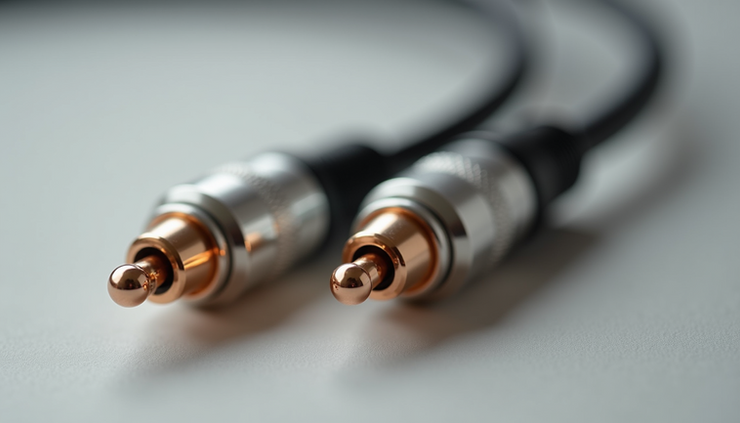
Why Interconnect Quality Matters in Audio Systems
Interconnect cables carry audio signals between components such as amplifiers, CD players, DACs, and speakers. The quality of these cables affects signal integrity, noise levels, and overall sound clarity. Poor-quality cables can introduce resistance, interference, and signal loss, which degrade audio performance.
Using high-quality materials like silver and copper reduces these issues. Both metals have low electrical resistance, allowing signals to pass through with minimal loss. This means the sound reaching your speakers is closer to the original recording, preserving detail and dynamics.
Advantages of Copper Interconnects
Copper is the most common metal used in audio cables because it offers a good balance of conductivity, durability, and cost. High-purity copper, often labeled as oxygen-free copper (OFC), provides better conductivity than standard copper. This reduces resistance and signal degradation.
Copper interconnects also handle a wide frequency range well, making them suitable for various audio setups. They tend to produce a warm, natural sound that many listeners find pleasing. Additionally, copper cables are flexible and resistant to corrosion, which helps maintain performance over time.
Practical Example
A home audio enthusiast upgrading from generic cables to high-purity copper interconnects reported clearer vocals and tighter bass response. The improvement was especially noticeable in complex music passages where detail and separation matter most.
Why Silver Interconnects Are Preferred by Audiophiles
Silver has the highest electrical conductivity of all metals, even surpassing copper. This means silver interconnects can transmit audio signals with even less resistance and distortion. The result is a more transparent and detailed sound.
Silver cables excel at reproducing high frequencies, adding brightness and clarity without harshness. This makes them ideal for systems where precision and accuracy are priorities. However, silver is more expensive and can tarnish over time, so it requires proper care.
Practical Example
In a high-end audio system, replacing copper interconnects with silver ones revealed subtle nuances in classical music recordings. Listeners noticed improved instrument separation and a more lifelike soundstage.
Combining Silver and Copper for Balanced Performance
Some manufacturers create hybrid interconnects that combine silver and copper strands. This approach aims to balance the warmth of copper with the clarity of silver. These cables often use a copper core for strength and silver plating for conductivity.
Hybrid cables can deliver a sound that is both rich and detailed, appealing to a wide range of listeners. They also tend to be more affordable than pure silver cables while offering many of the same benefits.
Factors to Consider When Choosing Interconnects
When selecting silver or copper interconnects, consider these points:
Purity: Higher purity metals provide better conductivity and sound quality.
Shielding: Good shielding reduces electromagnetic interference and noise.
Connector quality: Gold-plated connectors resist corrosion and ensure a stable connection.
Cable construction: Twisted or braided designs can minimize signal loss and interference.
Length: Keep cables as short as practical to reduce resistance and signal degradation.
Maintaining Your Interconnects for Long-Term Performance
To keep silver and copper interconnects performing well:
Store cables properly to avoid kinks and damage.
Clean connectors periodically with appropriate contact cleaners.
Avoid exposure to moisture and corrosive environments.
Inspect cables regularly for wear or corrosion.
Proper care extends the life of your cables and preserves sound quality.
Final Thoughts on Using Quality Silver and Copper Interconnects
Choosing quality silver and copper interconnects can significantly enhance your audio system’s performance. Copper offers reliable conductivity with a warm sound, while silver provides exceptional clarity and detail. Hybrid cables combine the best of both metals for balanced audio reproduction.
Check out the cables available in my store here.

Comments